
6 min read
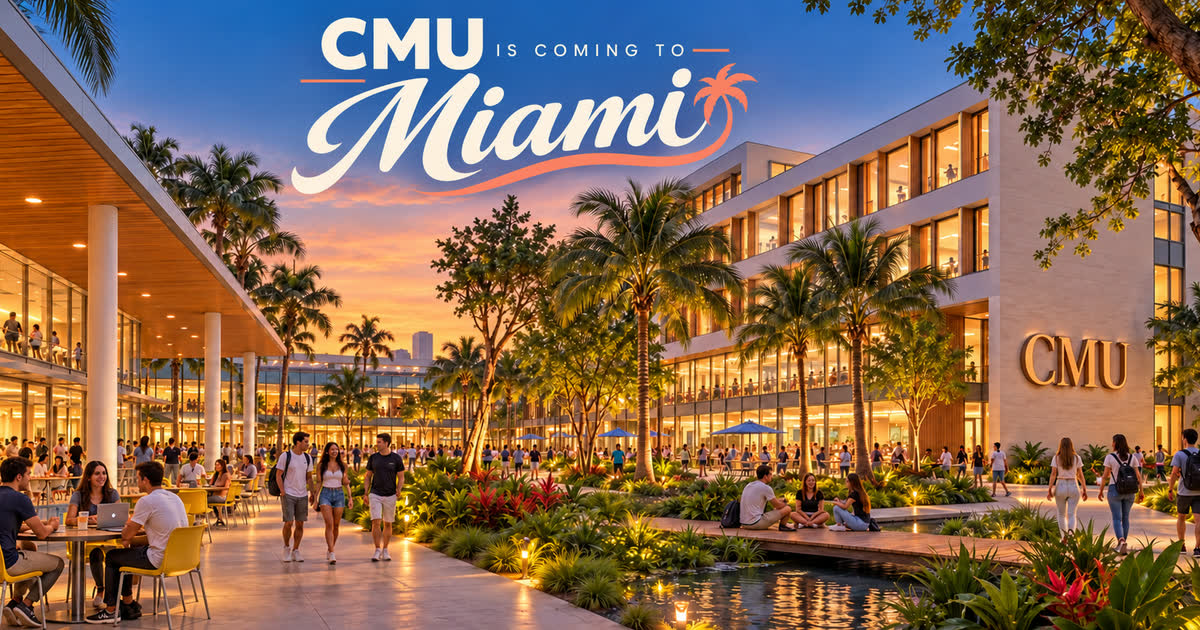
CMU Miami: Buying a Condo Near Carnegie Mellon's Wynwood Campus
Carnegie Mellon Miami is coming to Wynwood. Our guide to buying a condo in Miami near the campus: timing, student housing and how we vet a building.
Explore pre-construction in South Florida. Browse project details, floor plans and available residences, then contact Post Property Group for guidance.
Ask an AdvisorOpen the catalog in a new tabBuying New Construction Before It's Built
A pre-construction condo isn't a finished apartment you can walk through. It's a contract plus a pile of disclosure documents. You pick a floor plan and a stack, sign, then pay deposits in stages while the tower goes up. Florida's Condominium Act governs how that deposit money is handled and which documents you must receive, and the protections are stronger than most buyers assume.
The numbers on this page are taken directly from the statute. Your contract then adds its own terms: when deposits are due, the completion deadline, and what happens if the building runs late. Have a Florida-licensed real estate lawyer read it before your cancellation window closes.
Step by step
Some developers take reservations before the contract is even offered. That money goes to an escrow agent. Ask in writing and all of it comes back right away. The developer receives it only as part of your down payment, and only after you sign the contract.
With the contract come the prospectus or offering circular (required for projects of more than 20 residential units), the declaration, the estimated operating budget with a schedule of what each unit type pays, and the Frequently Asked Questions and Answers sheet.
Cancel in writing within 15 days of the date you've signed and hold every required document. A later amendment that worsens the offering gives you a fresh 15 days from the day you receive it. The developer can't close during that 15-day period without your written consent.
Your contract's schedule sets the payment timing, typically at signing and at build milestones. The first 10% stays in escrow; a bond or a letter of credit can replace it if the state accepts it. Money beyond 10% can pay for construction only if the contract permits.
Under the escrow rules, a building counts as complete once it has its certificate of occupancy. You pay the balance at closing, so before that day confirm your financing, walk the unit and list anything still unfinished, then go over the closing statement.
Reading the documents
Look for the developer's budget and a payment schedule for each unit type. The contract itself cautions that those figures are estimates and real costs may come in higher.
F.S. §718.503(1)(a)
A developer may guarantee that assessments won't exceed a stated amount for a set period and cover any shortfall. Write down the date that guarantee ends, because your real budget begins then.
F.S. §718.116(9)
Before you count on rental income, read the FAQ sheet, which must state any restriction on leasing a unit in plain words. Whether you can assign the contract before closing depends on what the contract itself says.
F.S. §718.504
Rent or land-use fees that unit owners pay for recreational or shared facilities must be disclosed in the prospectus in conspicuous type. They're costs the sticker price doesn't show.
F.S. §718.504
The contract must state that homeowners' insurance excludes flood damage. It must also disclose whether the developer knows of flooding at the property, and any flood claim that has been filed.
F.S. §718.503(1)(a)
Contracts and sales brochures must warn you not to rely on verbal statements. So if a promise matters to you, whether it's a view, a finish or a delivery date, get it into the contract or its exhibits. You can also inspect the complete plans and specifications.
F.S. §718.503(1)(a), (3)
Two Ways to Buy a Condo, Compared
The cancellation rights in the comparison above come from F.S. §718.503(1) and (2). A contract may give you longer than the law does, and a waiver of these rights is void.
Questions
Your contract has to name the escrow agent and list its address, and if you ask, the agent owes you a receipt. The agent can't be tied to the developer; independent options include a title insurer, a licensed real estate broker, a Florida Bar attorney, a bank or a savings and loan.
You get the escrowed money back, with any interest it earned, when the termination is proper under the contract or the Condominium Act. Ask early whether any part of the deposit above 10% has already been released for construction. Money released that way is no longer in escrow.
Most foreign nationals are free to buy a condo in Florida. State law does place limits on certain buyers domiciled in specific countries, so have a Florida attorney confirm you qualify before signing.
No. The developer drew up those monthly numbers as an estimate in good faith, and your contract says real costs may run higher. Costs that rise beyond the developer's control, by themselves, don't give you a right to cancel.
You can cancel in writing within 15 days of receiving a material amendment that hurts the offering. Keep every amendment and record the date it arrived.
Plan the numbers
The original sources behind the rules cited here.
6 min read
Carnegie Mellon Miami is coming to Wynwood. Our guide to buying a condo in Miami near the campus: timing, student housing and how we vet a building.